

AS public-sector workers take to the picket lines this Wednesday (October 14), the disruption extends beyond schools, offices and public services, highlighting the important role cultural spaces play in communities across Limerick.
With industrial action affecting public access to arts venues, performances and shared public spaces, families, students and audiences may find some of their usual cultural outlets unavailable, underscoring how deeply these spaces are woven into everyday life.
The show must go on, but not without the people who make it happen
The industrial dispute involving public-service unions Fórsa and IFUT is expected to affect council-operated facilities and university-linked spaces, with the scale of disruption depending on staffing and individual venue arrangements.
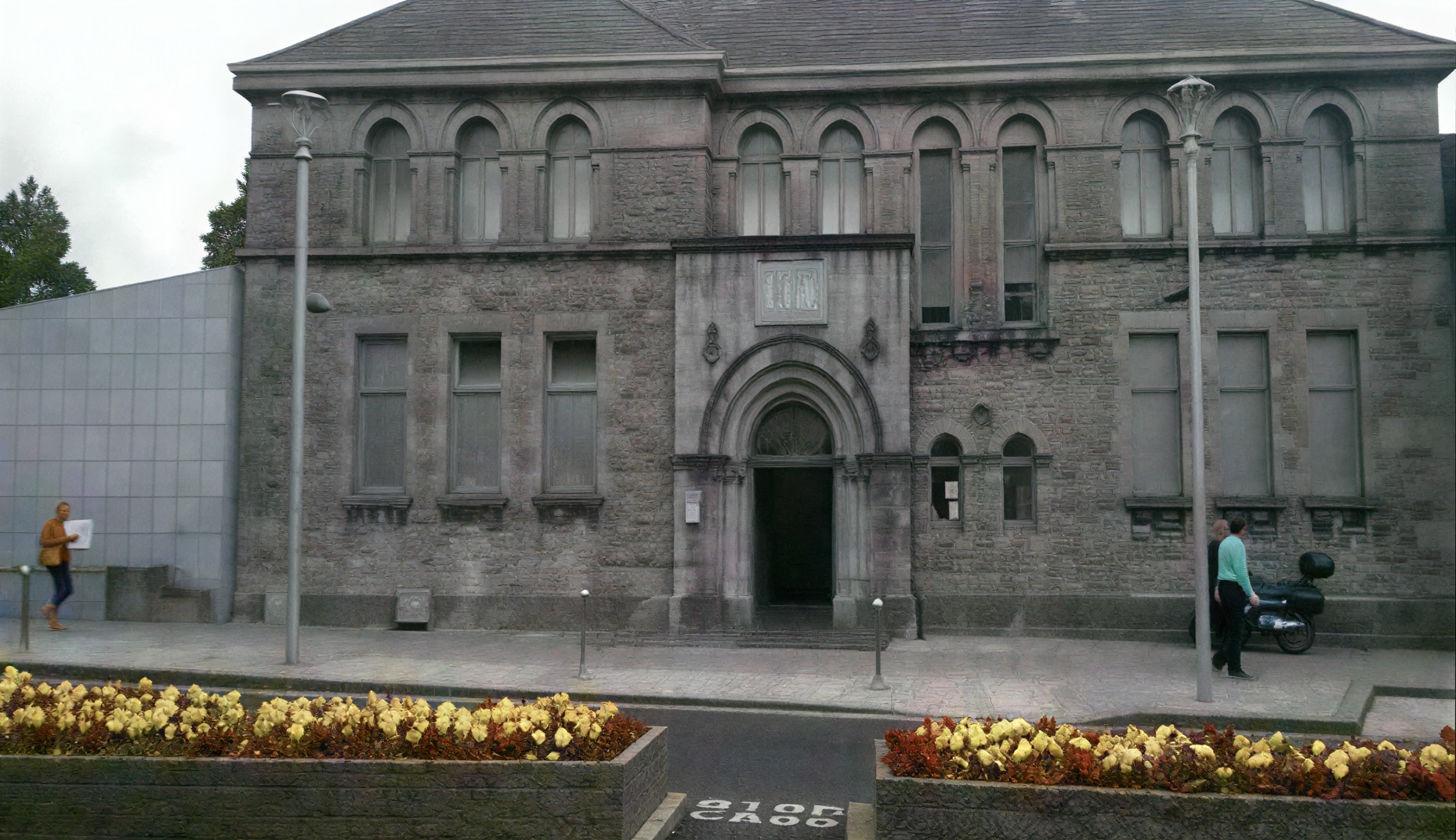
Among the major cultural spaces confirmed to close are Limerick City Gallery of Art and Limerick Museum, leaving visitors without access to exhibitions and local heritage collections for the day.
At Mary Immaculate College, uncertainty surrounds programming at Lime Tree Theatre and Belltable, with audiences advised to monitor the venues’ social media channels for updates. As of now, the advertised screening of ‘National Theatre Live: All My Sons’ is still expected to proceed as scheduled.
Meanwhile, the strike could disrupt performances, workshops and rehearsals at the Irish World Academy of Music and Dance at the University of Limerick, placing further pressure on the city’s cultural calendar.
A city without its usual cultural infrastructure need not be without entertainment
While public institutions face disruption, some independently operated venues continue to advertise events for tomorrow, offering audiences a different way to engage with Limerick’s entertainment scene.
Independently operated venues, including Dolan’s Warehouse and Kasbah Social Club, are alternatives for audiences seeking live events and live music. While Dolan’s Warehouse is scheduled to host comedian Rory O’Hanlon at 7.30 PM tomorrow, Kasbah Social Club is hosting a live music performance by Heidi Curtis at 8 PM. Although both events remain listed as for now, audiences should check the venues’ social media channels for any last-minute changes.
Additionally, the Hunt Museum, operated by an independent trust, remains open as usual from 10 AM to 5 PM. As another of Limerick’s major cultural hubs, it offers families and students an opportunity to engage with the city’s history and collections, even as other public cultural spaces close for the day.
Disruption raises a wider question
Conversely, the disruption raises a wider question about who gets to access culture and what happens when the public infrastructure that makes it possible falls quiet. At a time when Limerick should be gearing up for a season of performances, exhibitions and family outings, the closures expose how much of the city’s cultural life depends on the people who keep its institutions running.
Private venues may offer alternative ways to spend the day, but they cannot replace what public galleries and museums offer: access to art, local history and shared experiences beyond the price of a ticket. These spaces are part of how a city understands and connects with itself.
Maybe the closed doors are what audiences notice first tomorrow. However, behind them are workers whose decision to strike points to issues serious enough to bring cultural life to a halt.
With their absence revealing how much a city depends on them, perhaps the more important question is whether their concerns receive the same attention when the doors reopen?