


Tara Cusack shares her unconventional experience of life in France during the protests.
WIDESPREAD protests have taken place across France since mid-September as high school and university students have rallied against the country’s education system and rising living costs.
For University of Limerick student Tara Cusack, this was not the Erasmus experience that she was expecting.
The protest began on September 17, as teachers, students and parents at the Antoine de Saint-Exupéry High School in the suburbs of Paris protested the staffing shortage.
From here the protests grew with more high schools rallying and getting involved with the planned marches.
Protests begin
22-year-old Tara recounted being at her host university, the Université Paris Cité, when the first signs of this widespread protest began
“The first I heard of any protests were when the high school students had begun to demonstrate in mid-September. A protest had taken place near my university building and after class all main entrances were closed and campus security brought us to a basement exit.”
“For the rest of that week, security was at all university buildings checking student IDs,” explained Tara.
However, the protests did not just stop with the high schools and their dissatisfaction with the failing public school system. The protests took off with the joint efforts of the universities, who were quick to respond with their involvement.
Wider issues were drawn into the mix, with students and staff protesting the current economic climate in France and general social dissatisfaction.
Major French cities such as Lyon and Marseille began barricading their schools and protesting in the streets against the lack of teachers, overcrowded classrooms, and their schools’ crumbling infrastructure.
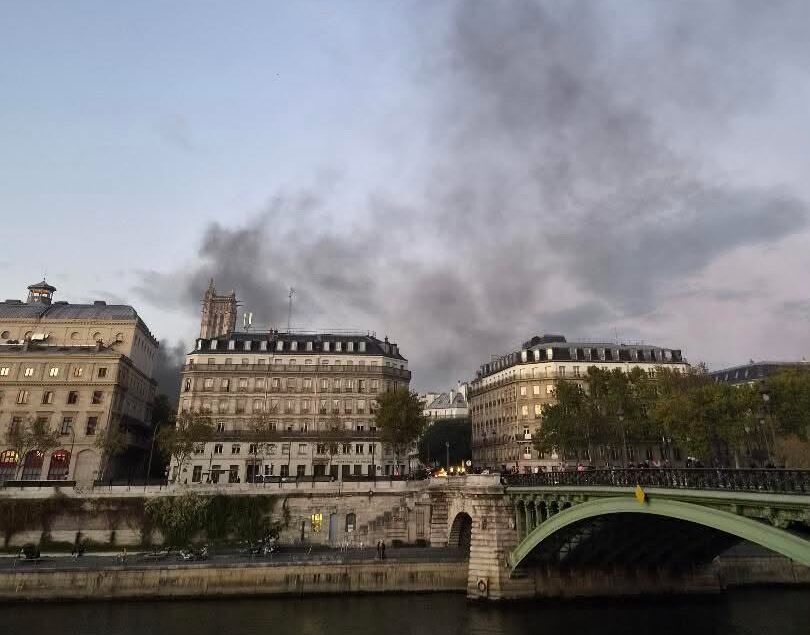
Tara, who is currently studying English in Paris, said, “Since the blockades began three weeks ago, I have had no classes in person.”
“Once the university students joined the high school students in protest, blockades at all my university buildings made it impossible to get to class, and all lectures were cancelled, with some moved online.”
“Most lecturers stood in solidarity with the students in their protest and did not turn to online teaching until the second week of blockades, with classes being optional,” explained Tara. “The university themselves sent multiple university-wide emails keeping students and teachers updated to the developing situation.”
According to an Elabe poll for BFMTV, 55% of French people approved of the mobilisation of high school students and 72% consider their demands legitimate.
Violence in protest
As protests in Paris continued and spread across the country, so did the rise in violence.
October 17 was announced as a National Day of Protest by all union parties, and this day also saw the beginning of the violent and destructive displays towards shops and businesses across France.
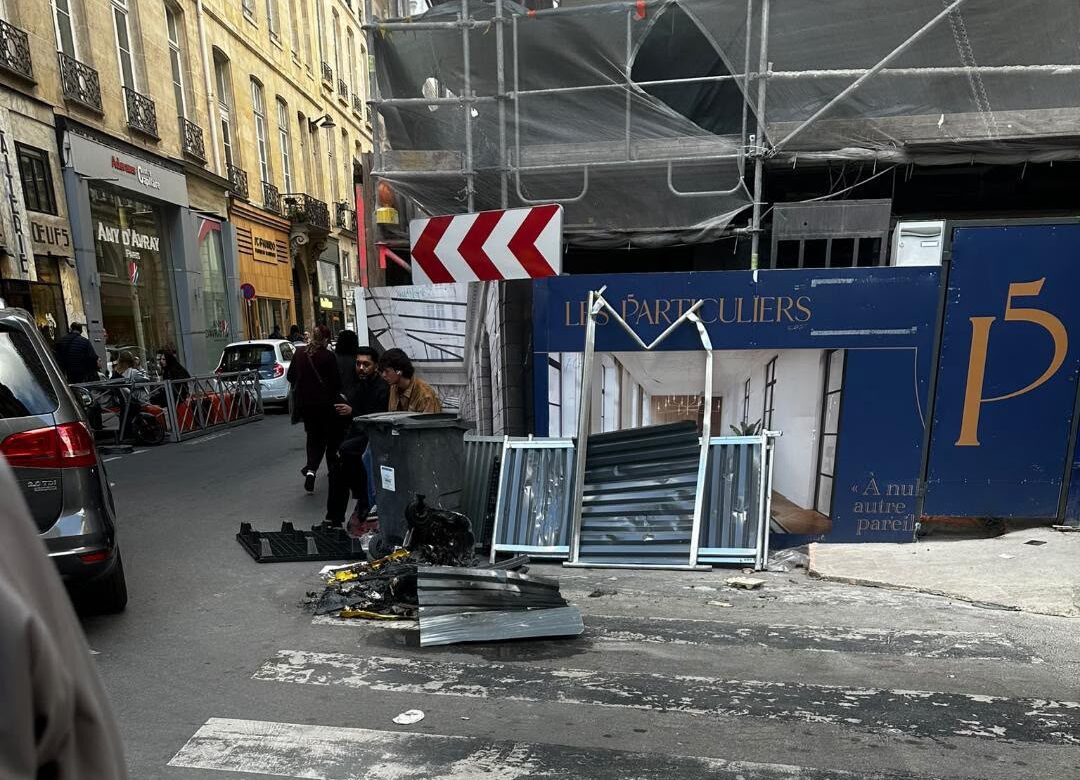
Videos posted on social media showed the mass looting and breaking into of shops and storefronts, with local businesses being ransacked.
Tara recalled having been out in the city on this day of unrest.
“I was in the city centre with some friends, but we were lucky to avoid any areas where most protests and riots had been.
“There was an increased police presence throughout the city and smoke filled some streets from small fires nearby,” explained Tara.
French authorities immediately cracked down on the violence, responding with security enforcement, strict curfews, and mass arrests when clashes became increasingly heated.
Continued crackdown
October 24 was the next planned large-scale, nationwide protest and this time Tara was prepared.
“On Saturday 24, I avoided the city altogether just to be safe, as I did not know the exact route of the protest, and many metro stations were closed and curfews in place in some areas,” she shared.
While the numbers have been lowering since the initial large-scale protest on October 17, 320,000 protesters marched across France on October 31.
“I think there is another strike on Thursday affecting a lot of transport. Curfews were in place on Saturday, October 31 and a lot of metro and train stations were closed completely for the majority of the day,” she explained.
Currently, Tara has yet to see the inside of a classroom since the universities joined the protest, saying, “My classes have not begun again this week, some through online learning, although midterms are postponed.”
“The university were hoping to open the buildings on Monday, however, they only know day to day whether the student blockades have lifted. I can’t imagine that blockades will lift before the protests are over, or until some action has been taken or agreements made,” said Tara.
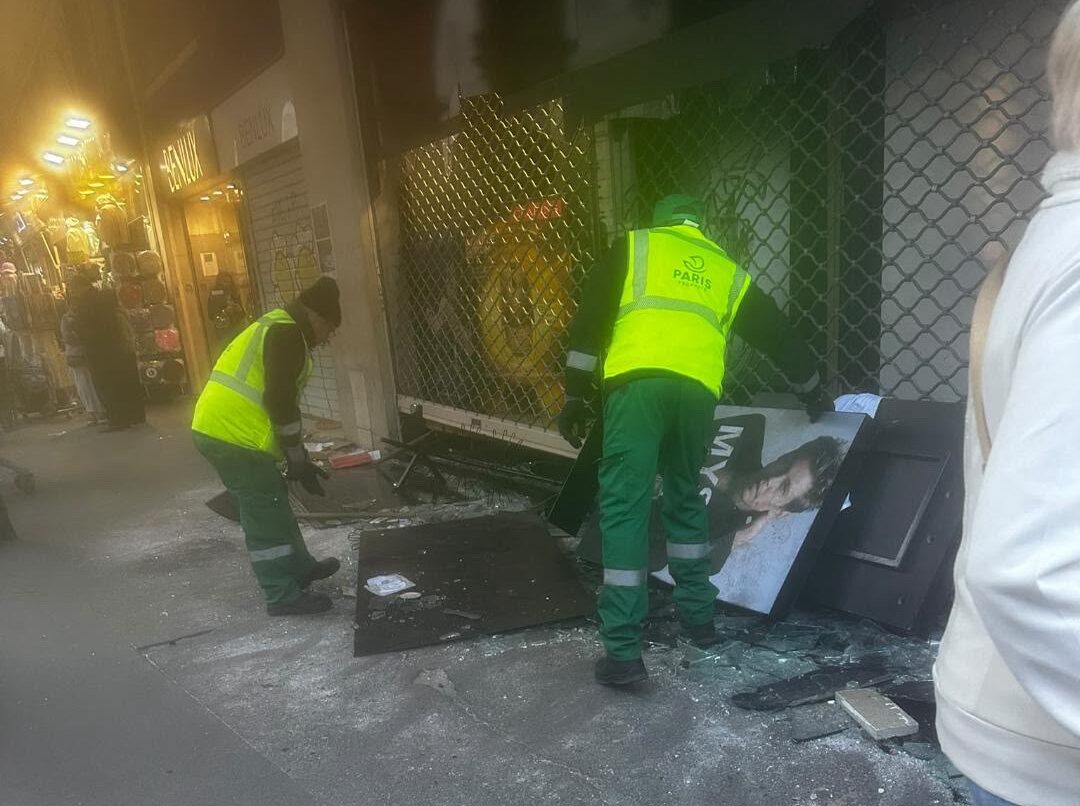
After the Halloween weekend, the next planned date for continued protesting is Thursday, November 5.
The high school and university blockades are set to continue both days, while Thursday will see the joint efforts of the four representative rail unions, marking this as another day of National Protests.