

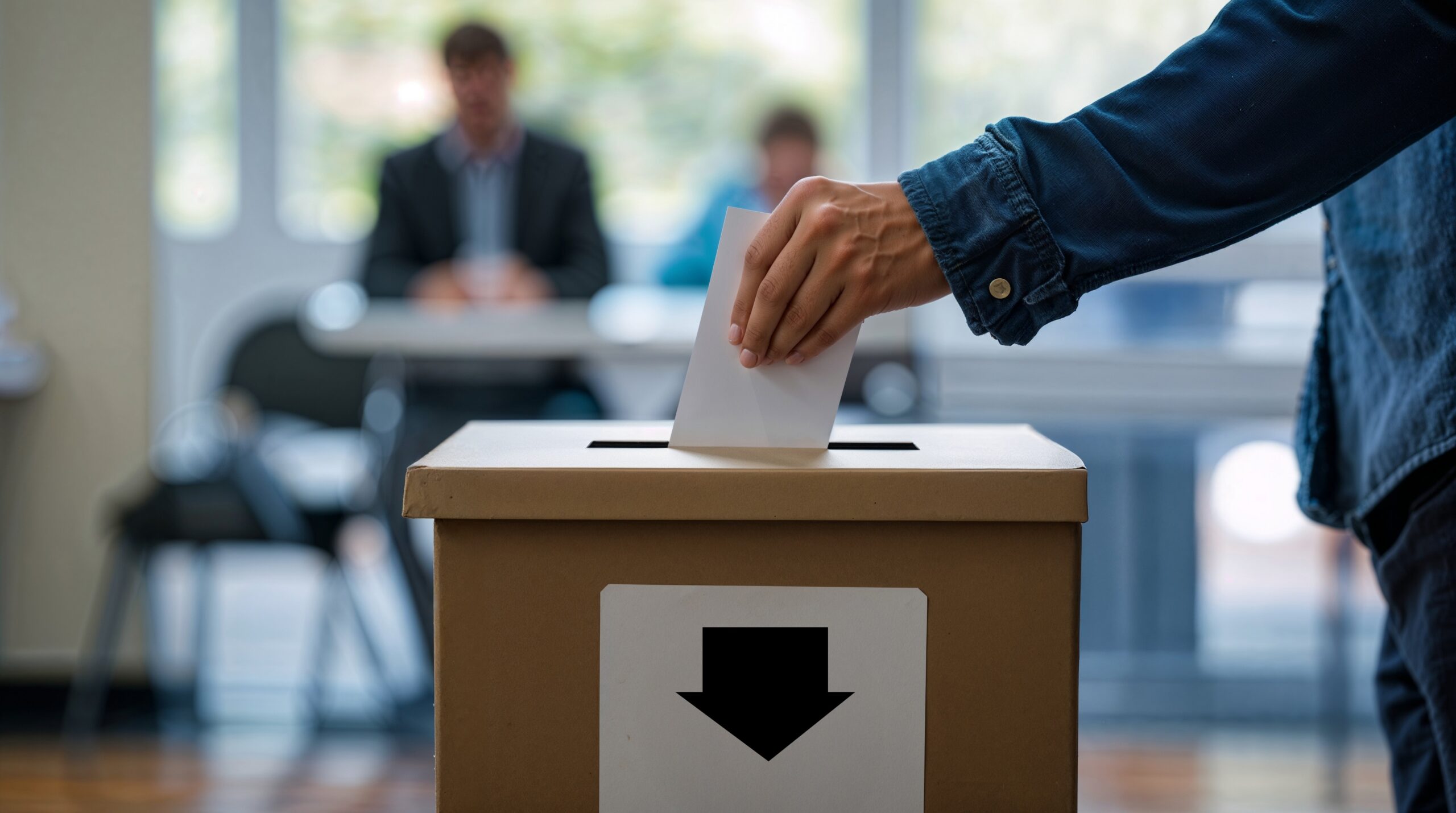
Democratic process presents challenges for international students keeping up with elections.
INTERNATIONAL students in Limerick say keeping up with elections in their home countries is easier than ever through social media and online news, but participating in the democratic process can still present challenges.
With elections taking place across the world, including Brazil’s recent presidential contest that saw Luiz Inácio Lula da Silva return to office, many international students remain closely engaged with political developments at home despite studying thousands of kilometres away.
The Limerick Voice spoke to students about how they follow election campaigns, access information and stay involved in political life abroad.
Yujin, an engineering student at UL from South Korea, said, “Nowadays it’s so confusing because in my country the politics are really complicated between two parties and we had a big issue to change the president.” Yujin said that it is much easier when you are there, but with the study workload, she finds it hard to keep up with campaigns.
“I’m obviously affected by any policy that goes on in my home country, so I need to keep up with it and I do.”
Business Student Chaitanya from India described her frustrations, “I try to cast my vote but apart from that, I can’t be really involved as much as I would if I was staying back home.” By contrast, compatriot Theresa Maria, a software engineering student, said, “I focus solely on studies here. I don’t participate in politics in my country now.”
Rajlakshmi, an Indian student studying Law at UL, was more enthusiastic. “I think it’s really important, even if you’re not in the country, you should know what’s going on in your country. Because you’re affected by it directly, whether you’re living there or not.”
“I just moved back to India because I was living in the UAE before. I don’t have my voter ID just yet, so I can’t vote, and I don’t join protests there at all because it’s really violent there, but I do like, I try to be as politically active as I possibly can.”
South African nursing student Ngozi Rachel agreed: “I feel like it’s a way to connect with my people back at home. In a way, I joined the African and Caribbean society to further interact with other people from my home country.” She said that she keeps politics as a social gathering activity.
Khalil, an electrical engineering student from Bahrain, highlighted the need to follow increasingly volatile international relations. “I like to go through the news every once in a while. Plus, there is a war going on in the region, so you have to keep updated because I have family back home.” However, on the topic of political participation in his country, Khalil was clear on his focus: “I’m more of keeping with my studies because I want to finish my degree.”
Lucas, a computer systems student from Spain, said it is not all about news; family also play an important role. “Lately I don’t research on my own much, but since my parents are there, I talk about them with them.” When it comes to participating, “I’ll say that I’m more focused on my studies here than anything.”