

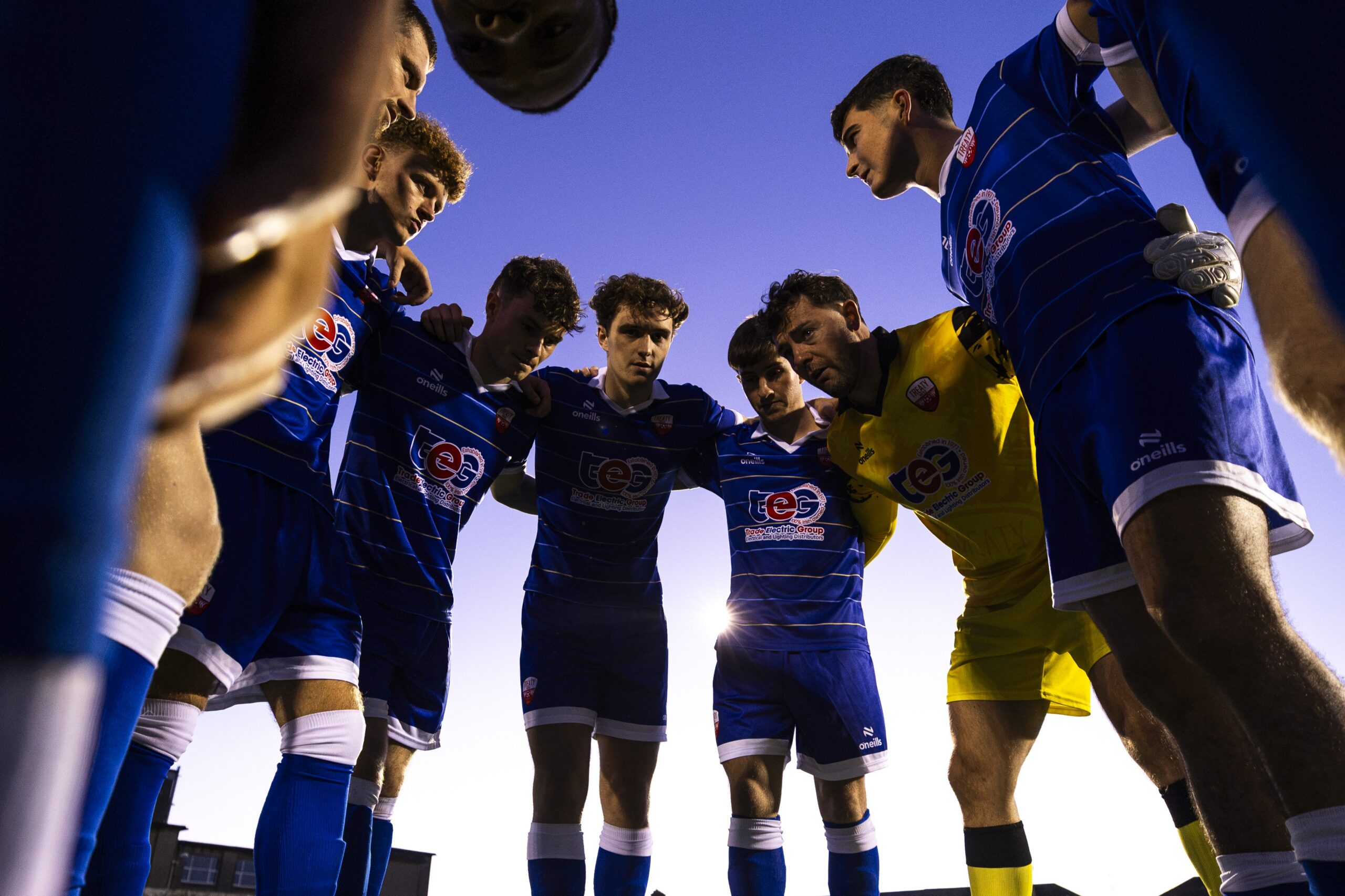
Limerick Voice discuss the five things we learned from Treaty United’s 2026 First Division season.
THE FINAL whistle on Treaty United’s 2026 campaign marked the end of more than just another SSE Airtricity Men’s First Division season.
A 2-0 victory over Cobh Ramblers at the Markets Field brought the club’s time under the Treaty United name to a close, with Limerick FC set to return in 2027.
Here are five things we learned from Treaty United’s 2026 season.
#1 – The younger players offer hope, but will they stay?
One of the positives to emerge from the season was the involvement of younger players.
Robbie Lynch stands out as one of Treaty’s most consistent young players over the past few seasons. A Broadford native, Lynch progressed through the underage teams and made his senior debut in 2023.
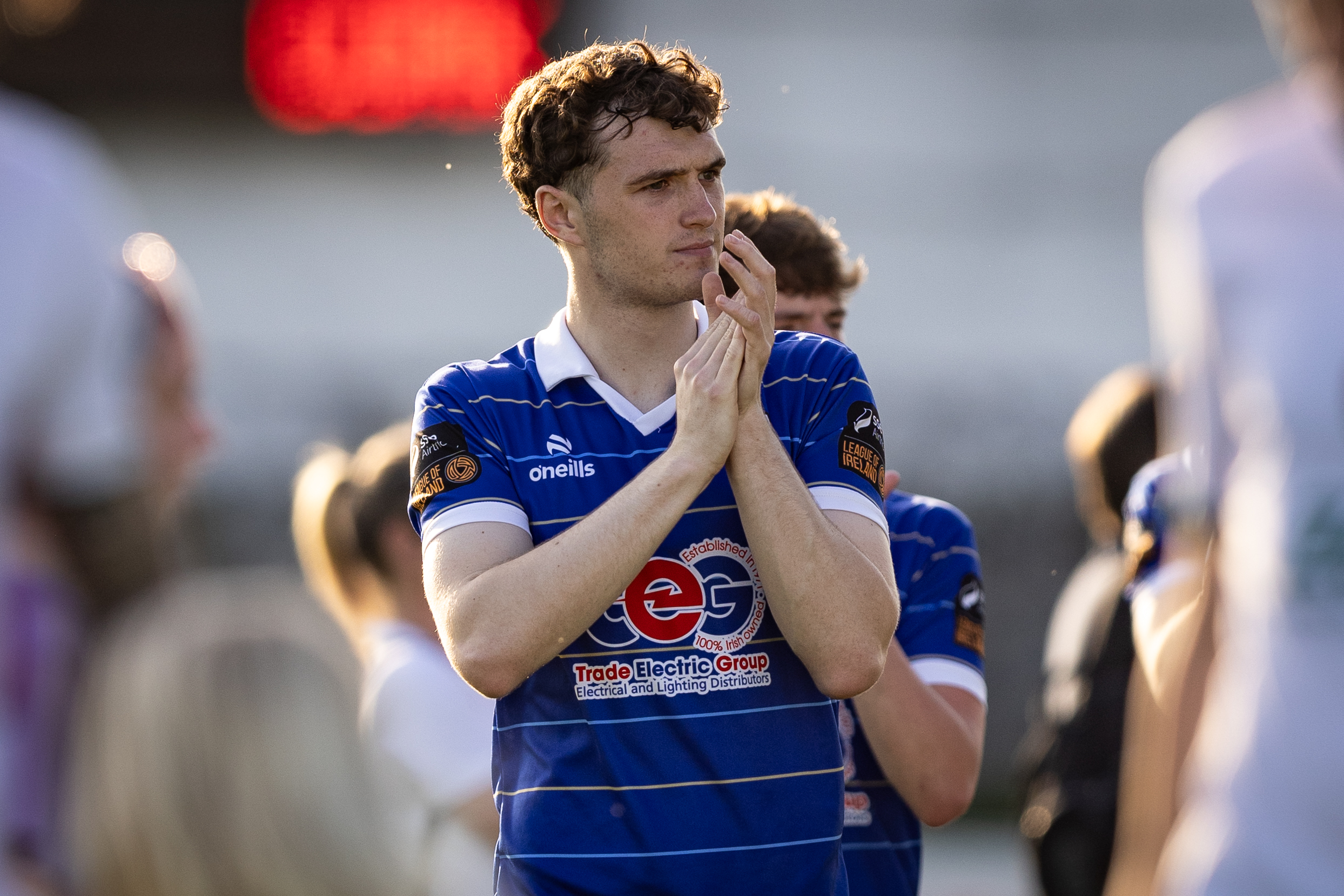
The defender played an important role in 2026, scoring twice and recording 2,998 minutes in league action. Having gained considerable senior experience, Lynch represents the kind of young talent Treaty will be keen to retain. However, if opportunities arise elsewhere, keeping hold of a player who has progressed through its academy could present a challenge for the club.
Kyle Foley has had to learn quickly during his first season of senior football. The 20-year-old defender progressed through Treaty’s underage system and had spells with Limerick and Kerry FC. He made 19 league appearances in 2026, where he was forced to step up due to an ever-changing defensive back line because of injuries on the left flank. Another season could allow Foley to build on that foundation and push for a more regular role.
With both Foley and Lynch local to Limerick, keeping them at the club would also help retain homegrown talent in the city, rather than seeing young players develop elsewhere through academies such as Kerry, Galway or Cork.
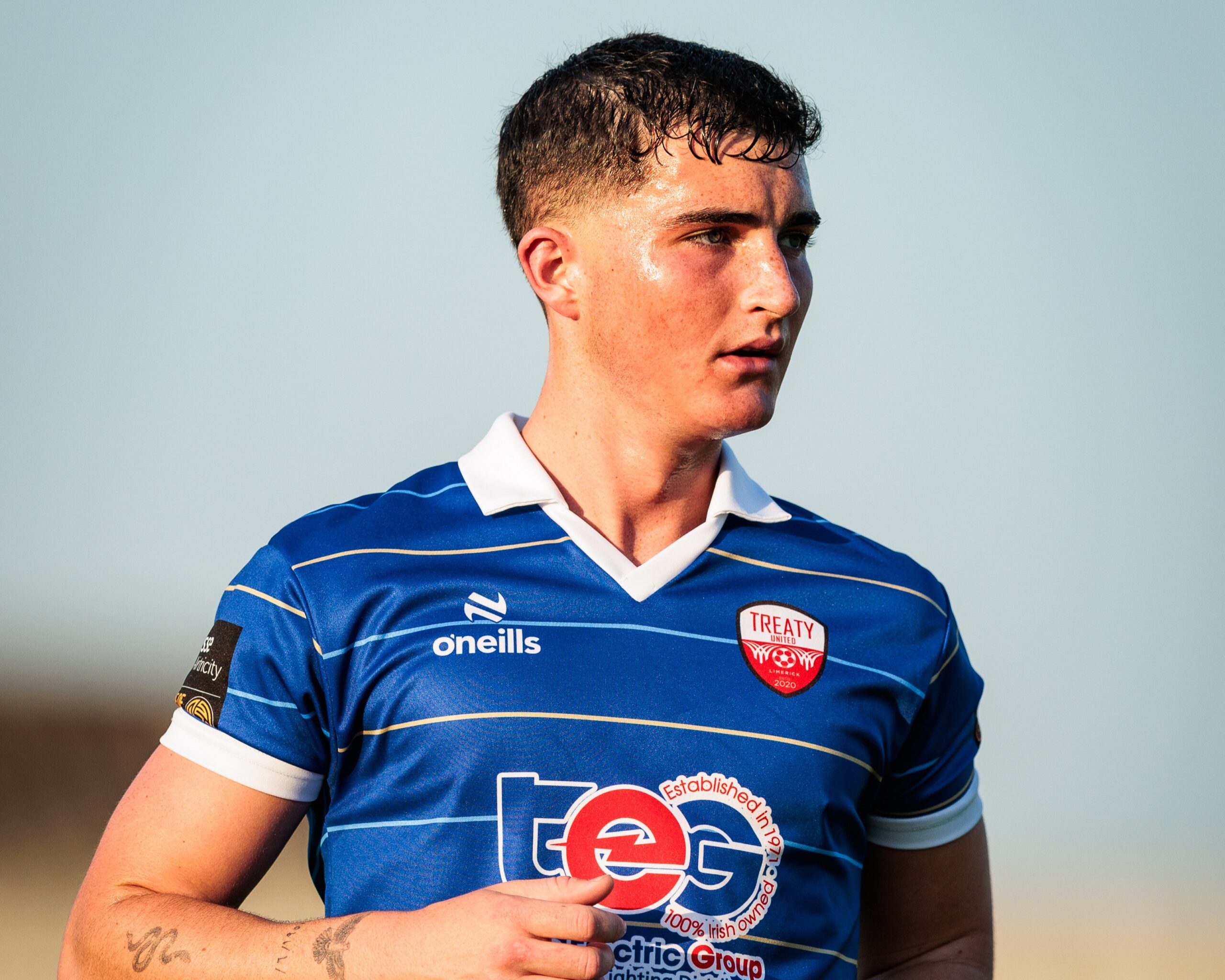
Treaty’s average squad age rose only marginally from 22.7 in 2025 to 22.8 in 2026, with nine players aged 20 or younger featuring in the regular squad this season. Across the First Division, developing young talent has become an important part of building competitive squads. However, if some of Treaty’s emerging players move on to pursue opportunities elsewhere, the club could find itself rebuilding once again.
#2 – Jack Brady kept Treaty competitive
Last season, questions were raised about the lack of competition for the number one jersey, but in 2026, Jack Brady firmly established himself as Treaty’s first choice. His performances were one of the positives to emerge from the campaign, helping keep the side competitive during challenging periods.
Treaty finished ninth in the First Division with 42 points, winning 11 of their 36 league games. Their record was noticeably stronger at home, where they collected 60 percent of their points. Treaty won seven of their 18 home fixtures and had four victories on the road; it proved difficult for the ‘Superblues’ to get back-to-back results.
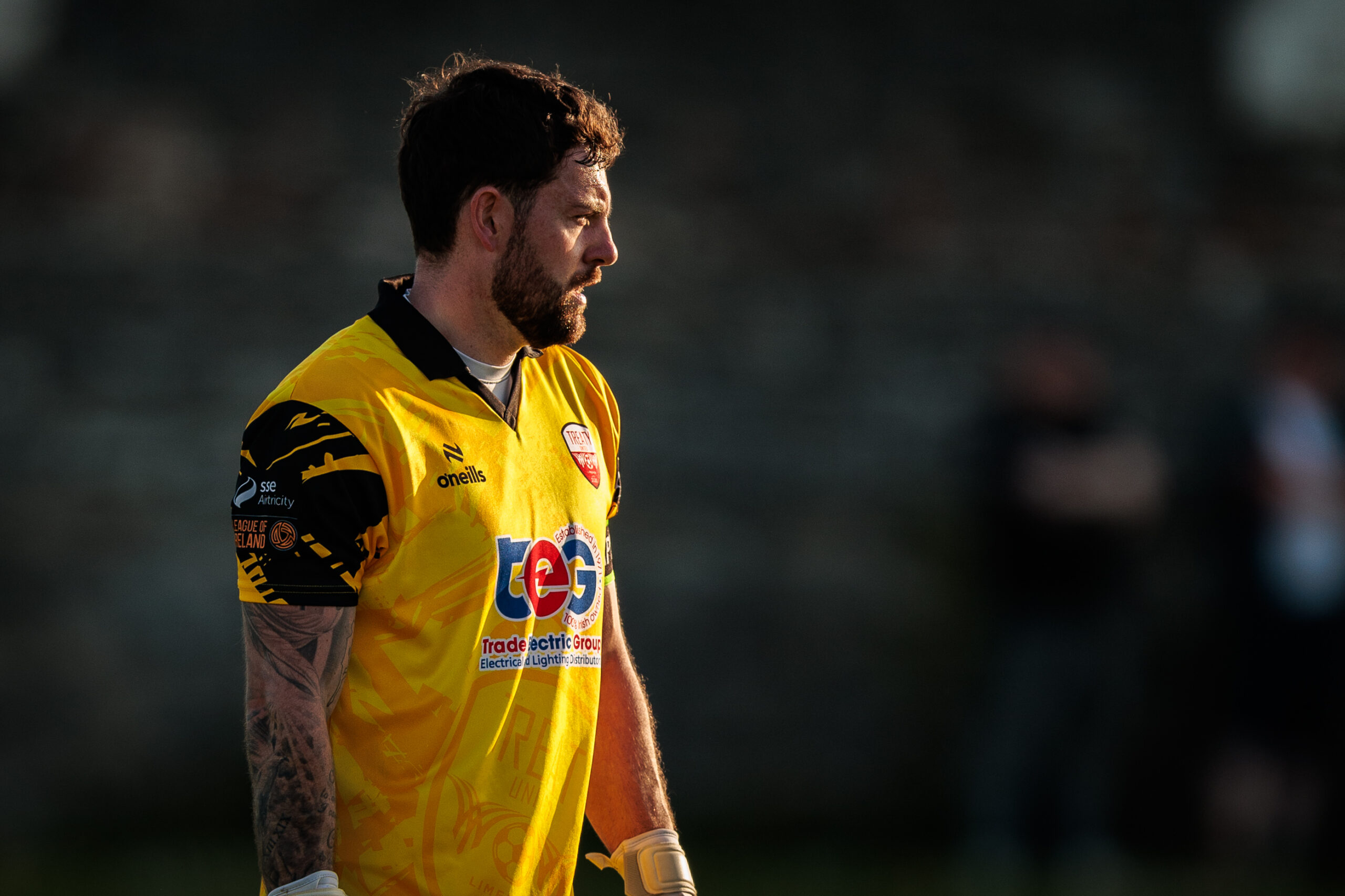
Defensively, Treaty conceded 53 goals across the campaign, 31 away from home and 22 at the Markets Field. Brady recorded clean sheets in 25 percent of the team’s league fixtures. While the defensive record reflected wider issues, Brady’s experience and ability to keep opponents out offered Treaty some stability during a difficult season.
He collected the Players’ Player of the Season, Fans’ Player of the Season, and the Blue Army Supporters Club Player of the Season awards, demonstrating the regard in which he was held by both his teammates and the club’s supporters.
#3 – Where have the goals gone?
Last season, the Markets Field was considered a fortress, but that reputation crumbled in 2026. Lee Devitt scored 15 league goals in 2025 before moving to Premier Division side Galway United at the end of an impressive personal season. While the need for different players to score more goals was arguably already there in 2025, Devitt’s individual output helped mask the issue.
In 2026, Treaty scored 37 league goals, averaging 1.03 per game compared with the First Division average of 1.40. They also failed to score in 42 percent of their matches.
Cian Curtis led the way with 10 goals, followed by Jason Oyenuga with eight. Their combined total of 18 accounted for almost half of Treaty’s 37 league goals. Their total contribution was only three more than Devitt’s individual league tally in 2025, highlighting the scale of his impact last season.
The scale of Treaty’s goalscoring struggles becomes clearer when compared with last season. Treaty scored 37 league goals across the 2026 campaign, just one more than the 36 they had managed by late July 2025. Lee Devitt contributed 14 of those goals at that point, as Treaty went on to score 50 league goals overall.
The scale of Treaty’s goalscoring struggles becomes clearer when compared with last season. Treaty scored 37 league goals across the 2026 campaign, just one more than the 36 they had managed by late July 2025. Lee Devitt had contributed 14 of those goals by that point, as Treaty went on to score 50 league goals overall.
The figures underline how heavily Treaty relied on Devitt last season and how little the team’s overall goalscoring output improved in 2026, despite knowing at the end of the previous campaign that replacing his goals would be a challenge. The figures underline how heavily Treaty relied on Devitt last season and how little the team’s overall goalscoring output improved in 2026, despite knowing at the end of the previous campaign that replacing his goals would be a challenge.
#4 – A part-time club in a full-time market?
Treaty United’s struggles cannot be separated from the challenge of competing against clubs that can offer full-time football.
Manager Tommy Barrett has confirmed he will remain in charge next season, but the club will continue to operate part-time. Speaking to Live95’s Mike Aherne, Barrett acknowledged that moving towards full-time football was necessary, but not an immediate possibility.
“We need to go full time, but it’s going to be part-time next year again,” Barrett said. “I’ve turned down a couple of full-time jobs in the league already in the past and I’m not going to go full time with the club because I have other commitments.”
It raises the question of whether a different managerial appointment might have been considered had full-time football been possible. Barrett has been in charge since Treaty United’s establishment, and with supporters calling for change throughout the season, the return of Limerick FC could have presented an opportunity for a fresh direction.
The part-time structure also creates challenges for player retention. Reports following the season finale indicated that some squad members may consider full-time opportunities elsewhere ahead of 2027. Barrett has previously spoken about the challenge of competing with other First Division clubs’ budgets, because a part-time model can limit recruitment.
The club’s finances add further context. Treaty United Ltd recorded a loss of €998,603 in 2025, following a loss of €839,258 in 2024. A note accompanying the accounts states that the company “continues to be loss-making in 2026” and relies on existing cash facilities and investor loans to meet day-to-day working capital requirements.
As Limerick FC prepares for its return, the challenge will be to turn renewed ambition into progress on the pitch, while building a structure capable of competing with the First Division’s full-time sides.
#5 – Limerick FC is back, but can the glory days return?
Treaty United’s final season marks the end of one chapter and the beginning of another. Since its formation in 2021, Treaty has kept senior League of Ireland football alive in the city, building its own identity while representing Limerick on a national stage.
The return of Limerick FC revives a name associated with some of the city’s proudest footballing moments. The original club, established in 1937, won the First Division title in 2012 before finishing seventh in the Premier Division in 2013. However, it went out of business in 2020 following financial difficulties.
The challenge now is to learn from that history and build a more sustainable future. While the name may reconnect with supporters, progress will depend on investment, squad development and a clear long-term plan and the hope that Limerick FC can one day return to the Premier Division and compete with the country’s leading clubs.