

In the new book, “World Cup Fever,” by Simon Kuper, the esteemed football writer and Financial Times journalist, he discusses his own history with the World Cup, from childhood experiences as a viewer to his attendance at the competition as a journalist, dating back to Italia ’90.
It’s a fantastic read throughout, but a significant section of the book is dedicated to the 2010 tournament in South Africa, the country in which both his parents were born. It is clearly a country that is incredibly important in his life as he gives a thorough insight into the context in which that tournament came to be, the summer of 2010 itself and the legacy of the tournament in the country years later.
One of the most prominent issues for that World Cup appeared to be the crime and murder rates in the country and how the cities would shut down at night. He describes how some of the best parts of the World Cup happen away from the football (as anyone who has attended a major tournament can attest to) and contrasts it with Germany in 2006 and Brazil eight years later.
But the fear of crime in 2010 hindered that aspect of what makes the World Cup so great. Which brings us to summer 2026.
We have just passed the first anniversary of the second inauguration of President Trump, and it feels like with each passing news week, the concerns ahead of next summer’s tournament continue to grow increasingly.
The latest twist comes in the form of the announcement that there will be a freeze on foreign visa processing indefinitely for 75 countries, 21 of which have teams that have either already qualified for the World Cup or who remain in play-off contention to qualify for the tournament.
There have been reassurances made that exemptions will be made to accommodate major sporting events, so while there are still questions around the ability of supporters in certain countries to travel and follow their team, we’ll just have to wait and see on that one.
What is a bigger concern are acts of violence that are becoming more of a regular occurrence at ICE protests around the country. Tensions have been increasing for some time and came to a head on January 7 when Renee Good, a 37-year-old American citizen, was fatally shot by an ICE agent in Minneapolis, Minnesota.
The loss of such a young life is tragic, and the events that followed were deeply concerning due to the lack of clarity around what had occurred. The official line appears to many to be misaligned with the video footage of the incident.
Further protests have led to more injuries as the Los Angeles Times have published an interview with a 31-year-old man who claims to have been shot in the eye during a protest with a “less lethal projectile”.
Regardless of political stance or your view on the role and current power of ICE in the United States, one thing that is certain is that what’s happening is concerning, volatile and dangerous.
This is an unsettling backdrop for a World Cup that is fast approaching. The tournament is meant to bring people from all around the world together in one place for a celebration and to support their country in a manner that isn’t life and death. The mingling in bars, fan parks and the streets between supporters of different countries before and after the games is what makes major tournaments so special and can often overtake the football itself for some.
But it’s currently hard to see how that is going to take place when the political climate in one of the host nations is so fragile and resulting in violence and death. How can people pay over the odds to travel, in many cases, halfway around the world and then find themselves trying to avoid these kinds of tensions and conflicts? Will it reflect the account of the 2010 tournament instead, where supporters attended the game and then made for the cover of their hotel?
Perhaps it will all settle down, and the environment that hosts the tournament will be one of unity and harmony, but there are few signs currently and for some time that that will be the case.
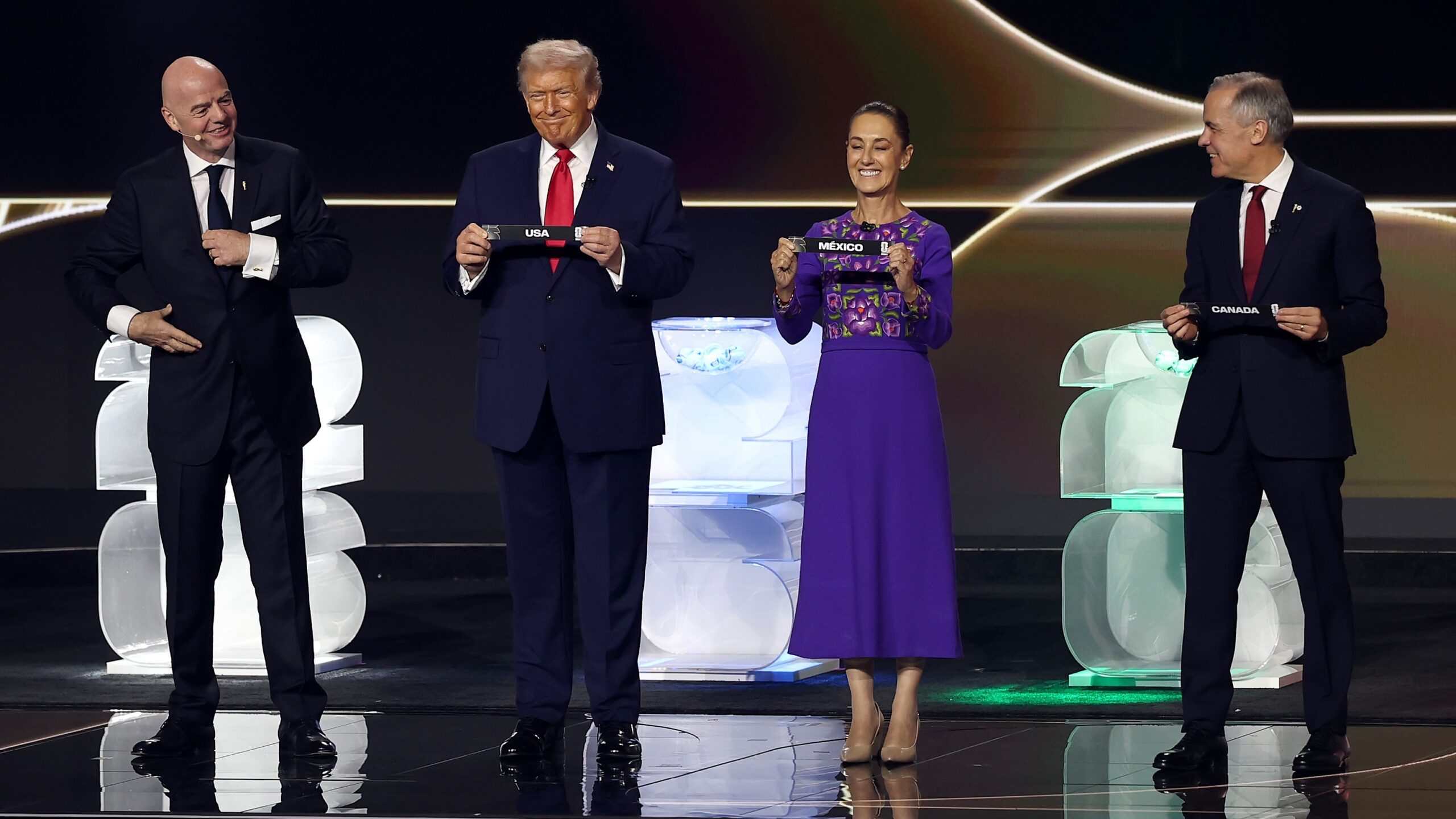
This poses questions for FIFA but considering they are the very body that recently created the brand new FIFA Peace Prize and presented the inaugural award to Donald Trump, shortly before the events in Venezuela took place and the concerns around Greenland began to emerge, doesn’t fill many with confidence that their heads are in the right space on the issue.
The World Cup is meant to be a time of joy and celebration of football, evoking memories of youth and bringing people together. It should be about providing “where were you” moments and creating spontaneous nights to be remembered. Let’s hope those attending get the same this summer.