

YOU see the word ‘circus,’ and your brain fills in the picture for you: a clown with a red nose, a lion jumping through a ring of fire, an elephant balancing on a pedestal, and several other spectacles once packaged as magic.
But what happens when the illusion of magic starts to fade as the audience finally sees the cruelty behind it?
As audiences become more conscious of animal welfare and the ethics of entertainment, one of the circus’s oldest images has had to change. For circuses that have spent generations building their identity around tradition, the question is no longer simply how to put on a good show, it is how to keep the show going at all.
With eight generations of family tradition behind it, specialising in bringing performers with jaw-dropping acts from around the world to Irish audiences, Circus Gerbola seems to have an answer. And judging by its opening night on 30 September 2026, a circus can undoubtedly put on one hell of a show without performing animals.
The night began with a classic opening: glamorous showgirls dressing the clown for his big moment while he admired himself in the mirror. Every child in the tent squealed with excitement, but that was only the welcome. What followed had the entire audience holding its breath for the rest of the evening.
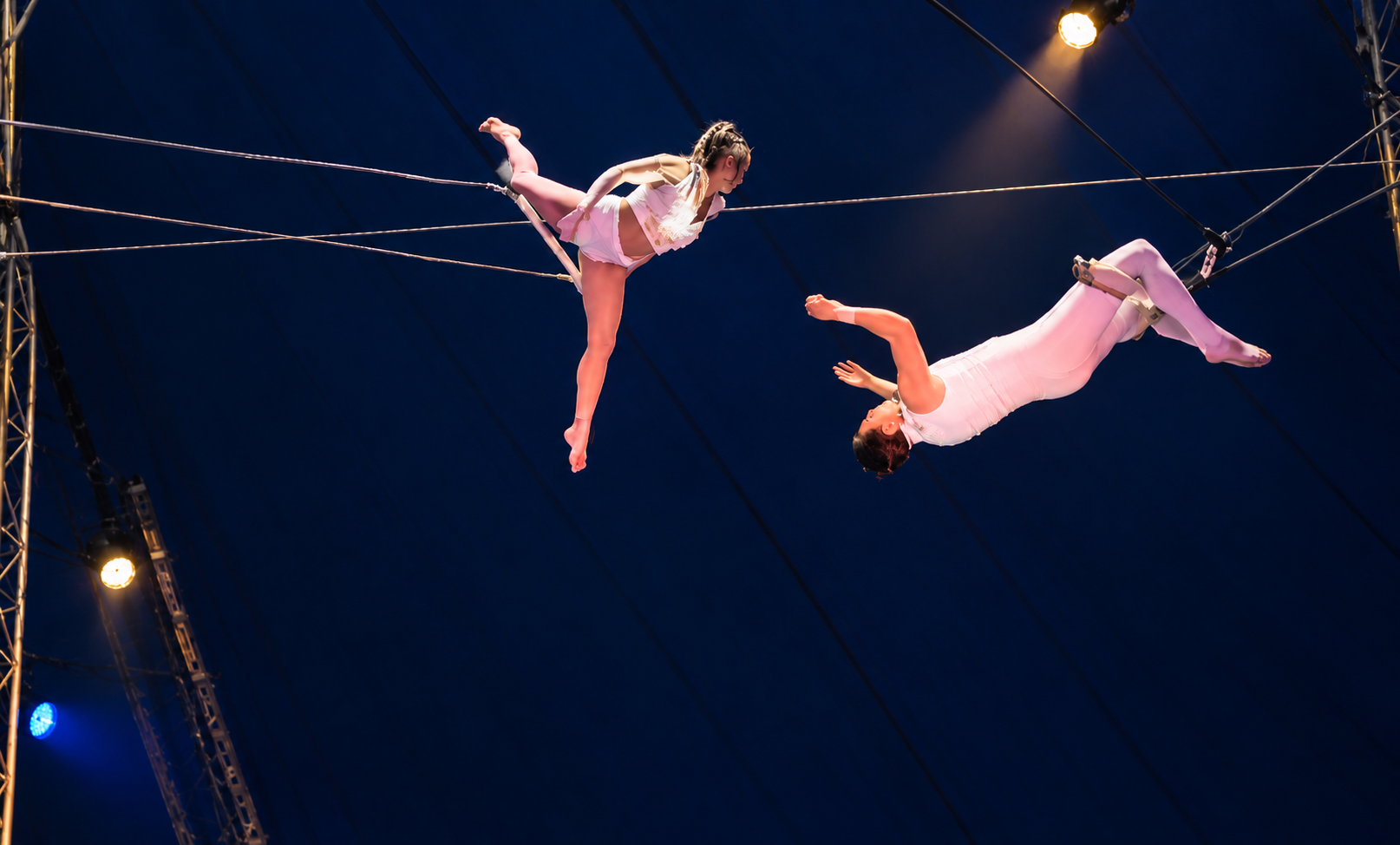
From a trapeze duo soaring through the air to the dizzying Wheel of Death, performed at times blindfolded, there was not a single dull moment at Circus Gerbola.
Bottles were juggled, set on fire, and juggled again. Aerialists swung and twisted through the air. A pair of performers fired crossbows at balloons, including one held between a performer’s lips. Then came the jaw-dropping Globe of Death with bicycles racing around a metal sphere, turning the tent into a blur of speed, light, and noise.
And just when it seemed the circus had run out of ways to defy gravity, a hair-hanging suspension act arrived, followed by the grand finale: the Flying Trapeze, with a troupe of performers, including the most energetic little girl in the tent, launching themselves into the air.
Perhaps this is the modern circus’s greatest trick.
Underneath the music, lights, and applause lies something rather more significant: reinvention.
After Ireland joined 41 other countries in banning animals from circuses in 2018, it marked another turning point for a circus tradition already being reshaped around human skill.
Maybe that is the strange appeal of the circus. It has evolved with its audience without losing the reason people bought tickets in the first place: the simple thrill of watching something happen right in front of you, surrounded by friends, strangers, and a tent full of anticipation.
In an age of endless replays, there is something special about an act you only get to see once.
And perhaps that is where the future of circus lies, not in preserving cruelty for the sake of tradition, but in preserving the tradition of wonder without it.
Because the show, quite literally, must go on.